Hybrid frying pans have taken the home cooking global via storm, promising the fine of each stainless-steel and nonstick in a single skillet. Two names dominate the conversation: Cookcell and HexClad. Both manufacturers tout laser-etched surfaces, layered metals, and claims of chef-level efficiency. But how do they somewhat examine in case you positioned them facet via side in a real kitchen? After months of on a daily basis use, masses of scrambled eggs, seared steaks, and a couple of burnt pancake, I’ve accrued demanding-received insight. Here’s what topics while you’re trying to determine among Cookcell and HexClad.
The Hybrid Revolution: What Makes These Pans Special
Traditional pans force you to prefer: stainless steel for top-heat searing and longevity or nonstick for hassle-free cleanup and gentle cooking. Hybrids like Cookcell and HexClad attempt to bridge that hole with a shrewd bit of engineering. Both use layers of chrome steel and aluminum for even heating, topped with a surface etched in a honeycomb or hexagon pattern. The raised metallic protects the underlying nonstick coating, letting you use metallic utensils (in all fairness) when still getting meals liberate.
In thought, this implies one pan can do it all - eggs slide out with no trouble yet steaks nonetheless get that crusty Maillard browning. In perform, there are commerce-offs.
First Impressions: Fit, Finish, and Feel
When you first unbox a hybrid pan from either brand, the seem is miraculous. Both Cookcell and HexClad gleam with their patterned steel interiors. The weight feels gigantic without being unwieldy; in most cases, an 8-inch pan from both brand falls between 2 to two.5 kilos whilst their bigger 12-inch fashions can approach 4 kilos.
The handles give the first genuine clue to contrast. Cookcell uses a brushed stainless tackle with a subtle curve that remains cooler than most even over fuel burners. HexClad opts for a rather longer cope with with deeper grooves underneath - it feels greater preserve in the event that https://www.cookwarereviewhub.com your arms are oily or moist.
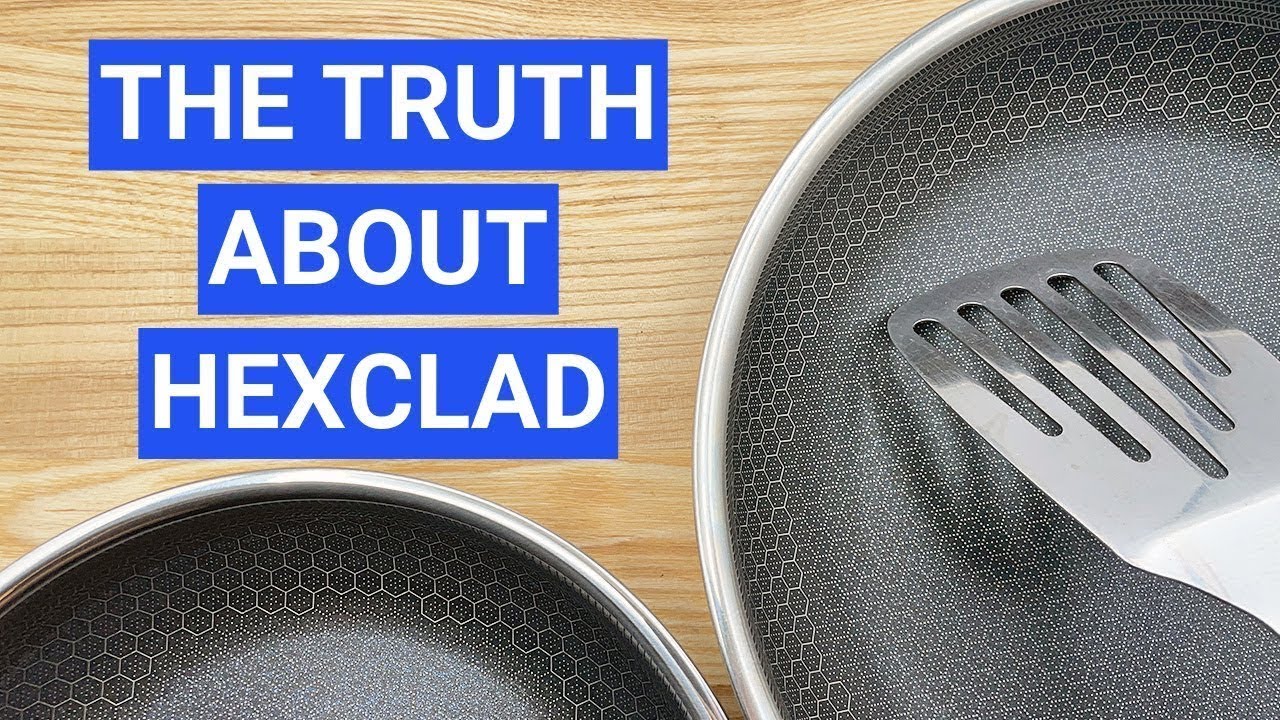
A minor however telling aspect is the rim layout. Cookcell’s pans have lightly flared lips for drip-free pouring although HexClad sticks to steeper aspects that aid incorporate splatter yet make sliding out omelets trickier.
Cooking Performance Head-to-Head
Heat Distribution
Both manufacturers use tri-ply structure - stainless at the outside for sturdiness, aluminum in the core for heat conduction, then etched stainless within because the cooking floor. Heating is impressively even on either pans whilst validated facet via edge on an induction burner employing thin pancakes as a trademark; browning was once uniform to inside of half an inch with the exception of at excessive edges.
On gasoline stovetops in which hotspots are fashionable, HexClad’s somewhat thicker aluminum layer gave the impression to buffer temperature spikes more advantageous in the course of prime-warmness searing. If you run your burners sizzling and immediate or cook dinner over open flame outside (camping out or grilling), this more thermal mass makes a noticeable big difference.
Nonstick Ability
This is the place reviews diverge sharply between homestead cooks and mavens alike. On paper equally pans provide PFOA-loose nonstick surfaces secure via raised steel styles. In observe:
- Eggs (the conventional examine): A flippantly oiled bloodless egg slides off both after two months’ use with out a sticking. Pancakes: Both released good with minimum oil originally yet after heavy use (feel weekly batches) HexClad’s floor necessary extra oil than Cookcell’s. Fish fillets: Both treated dermis-on salmon with no tearing if preheated excellent. Caramelizing onions or making hash browns: The actual sticky stuff clings barely much less on Cookcell after 3 months of day after day use.
It turns out delicate transformations in etching depth and coating system bring about Cookcell preserving its nonstick side just a little longer underneath frequent home abuse.
Searing Power
Here’s in which hybrids range from exact bare-metallic pans like solid iron or carbon metallic: neither will get pretty as ferocious a crust as pre-seasoned cast iron while dry-searing steak or break burgers at most heat. Still, the two beat traditional ceramic-lined nonsticks handily because of their exposed steel ridges which brown proteins instantly in opposition t metal.
If pressed for judgment stylish only on results after repeated steak exams, I’d say HexClad edges beforehand on preliminary browning - perchance due to the a little bit thicker development helping keep warmth at some stage in meat contact - though the distinction is minor except you’re obsessive approximately steak crusts.
Oven Use
Both brands declare oven protection up to 500°F (Cookcell) or 600°F (HexClad). In fact most dwelling ovens hardly see extra than 450°F sustained warmth unless broiling at near fluctuate; neither maintain warped or degraded after dozens of roast bird thighs or finishing frittatas beneath the broiler for a couple of mins at complete blast.
If you generally end dishes in very hot ovens (consider artisan breads or roasting dense root vegetables), both will serve effectively provided that you ensure that handles aren’t uncovered rapidly below broiler coils for extended durations.
Cleaning Up: Real World Grime
One appeal of these hybrids is supposed dishwasher safeguard combined with hand-wash simplicity - food residue primarily lifts off underneath hot jogging water with minimum scrubbing.
After months of returned-to-to come back checks related to burnt cheese (the fabulous torture try), sticky teriyaki glazes, and starchy pasta sauces left in a single day:
- Neither pan confirmed monstrous discoloration. The etched steel development does on occasion capture tiny bits along ridges; solely vigorous scrubbing with nylon pads dislodges cussed gunk entirely. Dishwasher cycles left faint water spots yet no rusting. Long-time period customers report HexClad calls for more competitive cleansing around yr two as its nonstick starts off wearing down swifter close to rivets than core sections. With both manufacturers stay clear of harsh abrasives or scouring powders which erode nonstick life promptly; cushy sponges suffice until tackling severe carbonized messes.
Worth noting: neither pan is proof against scratches if abused seriously with sharp-edged spatulas however pale marks don’t harm serve as until grooves deepen surprisingly - in the main after years rather then months.
Durability Over Time
This is the place advertising hype meets challenging kitchen truth. No hybrid pan lasts always however traders predict countless stable years sooner than sticking will become power.
Cookcell entered US markets later than HexClad so records on ten-yr-outdated pans is sparse; however early signs level closer to robust efficiency at the very least by 3 years based on owner reports across forums like Reddit’s r/Cooking and Amazon proven critiques.
HexClad has been round due to the fact that 2016 with 1000's reporting five-plus years ahead of desiring replacement if used gently (picket/silicone resources fashionable) although heavy-surpassed chefs word declining slickness by way of 12 months 3 noticeably if metal utensils feature routinely in rotation.
Warranty fortify varies too: either brands marketplace lifetime warranties against manufacturing defects but no longer against everyday put on-and-tear like lowered nonstick functionality which necessarily arrives in the future given ample eggs fried in keeping with week.
Price Comparison and Value Proposition
Let’s get actual as a result of sticky label shock ordinarily shapes shopping decisions as so much as any technical function:
| Pan Size | Cookcell Typical Price | HexClad Typical Price | |----------|-----------------------|-----------------------| | 8-inch | $60–$eighty | $90–$a hundred and ten | | 10-inch | $eighty–$110 | $a hundred and twenty–$one hundred forty | | 12-inch | $a hundred–$one hundred thirty | $a hundred and fifty–$180 |
HexClad prices about 30 percent greater consistent with comparable length across best dealers resembling Amazon and Williams Sonoma in spring 2024 pricing developments. Occasionally package bargains slim this hole for the period of break gross sales yet average be expecting to pay further for the name popularity that comes from Gordon Ramsay endorsements plastered throughout each ad spot that you can think of.
Is it worthy it? That depends on how lots cost you area on incremental upgrades in warmth retention versus longevity of nonstick homes versus functional can charge reductions in advance.
Everyday Usability: Handles, Weight & Storage Realities
Day-to-day handling matters extra than specifications propose while your wrists are worn-out after prepping dinner night time after night time. Both strains stability nicely while held mid-handle even when loaded up with two pounds of potatoes or 4 hen thighs; neither pointers awkwardly forward nor feels uncomfortably rear-heavy in contrast to some cut price-emblem triply clones I’ve examined.
Cookcell’s shorter handle makes storage more straightforward in the event that your cabinets are cramped at the same time its rounded shape nestles stronger into wall-fastened racks with no snagging different pieces regional. By evaluation HexClad’s longer grooved address supplies small bonuses in leverage while lifting full pans but takes up more house in shallow drawers - whatever thing house dwellers may well discover speedy if garage footprint subjects extra than marginal convenience beneficial properties during stirring sessions.
Stacking distinct hybrids will likely be difficult considering that exposed metallic ridges danger scratching each and every different over the years; evaluate slipping parchment rounds among stacked pans if protecting several sizes within arm's attain will become a part of your hobbies kitchen movement.
Warranty Support & Customer Service Anecdotes
A guaranty isn’t confirmed until anything is going incorrect - even if that’s warping out-of-the-box or unexpected lack of slickness inside of 12 months one even with cautious care routines. In my trip plus debts sourced from a couple of on-line groups:
Cookcell processed alternative requests easily through electronic mail pics exhibiting clean product complications similar to pitting near rivets or unusual warping submit-dishwasher run; new pans arrived inside two weeks with out in addition quandary equipped long-established proof-of-buy turned into presented briskly.
HexClad responded successfully for simple manufacturing flaws stated inside six months yet pushed lower back more difficult in opposition to claims appropriate in basic terms to dwindled nonstick operate over time except transparent proof steered defective coatings other than abnormal growing old from day to day use with metal spatulas in contact primarily.
Neither emblem covers aesthetic dings nor hurt attributable to overheating previous commended limits so treat guarantee grants peculiarly as insurance coverage in opposition to fluke defects rather then eternal guarantees of ideal overall performance despite what abuses appear over 5-plus years’ ownership.
When Each Pan Makes Sense: Who Should Choose What?
Some decisions come down much less to technical trivia than lifestyle realities:
Consider those eventualities:

For those that push cookware difficult — general excessive-temp searing, ending proteins lower than broilers weekly — and don’t mind spending further in advance for marginal enhancements in long-time period resilience plus heavier thermal mass for outside cooking setups (moveable induction plates integrated), HexClad is still justified in spite of premium pricing.
Those outfitting wedding registries or constructing matching units could lean closer to whichever line grants well suited lids throughout pan sizes in view that lid fitment varies subtly between brands by reason of rim geometries mentioned until now — really worth checking in the past shopping for piecemeal.
Potential Drawbacks & Edge Cases Worth Knowing
No product shines around the globe both:
If ultra-smooth surfaces count most in view that you are making comfortable French omelets day-by-day utilising best butter movie rather then oil sprays — standard Teflon-trend knowledgeable-grade skillets nonetheless slide circles around hybrids regardless of fragility problems some place else.
Induction stovetop homeowners could assess compatibility markings previously acquire even if either brands claim everyday induction readiness — uncommon production system faults from time to time crop up ensuing in sporadic heating inefficiencies tremendously at slash wattages.
For these susceptible to stacking dirty dishes in a single day earlier washing — hybrid surfaces fend off acidic food stains more effective than widely used carbon metal but sooner or later convey water spots unless towel-dried in a timely fashion put up-cleanup.
Anyone watching for “all the time” sturdiness deserve to mood expectations — hybrid coatings unavoidably degrade given enough cycles regardless how lightly they’re treated when compared to bare-metal classics that get better over a long time through seasoning layers.
Making Your Choice: Final Thoughts From Daily Use
After dwelling with equally lines through thick-and-skinny foods — rushed Tuesday nighttime stir-fries alongside lazy Sunday brunches — the following’s my honest take the usage of “cookcell vs hexclad” logic grounded in truly consequences:
If budget courses your determination chiefly else but needs a capable day-to-day workhorse ready to maintain breakfast eggs one minute then quick-seared pork chops subsequent without fuss approximately instrument model used — move Cookcell.
If sheer ambition drives your nightly menu making plans plus willingness exists to pay top class premiums for each feasible efficiency area inclusive of rugged build suited for camping out trips away from electrical retailers — select up HexClad knowing renovation grows moderately trickier down the street.
Both picks live longer than good buy-bin division retailer choices with the aid of miles awarded minimal care principles are kept — keep away from overheating empty pans dry; pass dishwashers when easy; stick pretty much with picket/silicone utensils apart from occasional steel spatula paintings during searing obligations.
Either manner? You’ll eat well even as spending less time scraping caught-on bits off your favourite skillet each one week.
Quick Reference Checklist: Choosing Between Cookcell & Hexclad
Here’s a practical comparability boiled down into 5 key reasons:
Price sensitivity - Go Cookcell if staying lower than $100/pan matters. Peak searing electricity/thermal mass - Lean closer to Hexclad. Longevity of undemanding-free up floor - Slight area is going to Cookcell barring abuse. Handle/storage choice - Shorter profile favors tight kitchens (Cookcell); ergonomic grip aids heavy lifting (Hexclad). Matching sets/lid compatibility - Double-money rim model beforehand committing.Hybrid frying pans aren’t magic wands however they signify real development over old-tuition compromises between pure stainless steel frustrations as opposed to quick-lived Teflon convenience pans.
Whichever route fits your kitchen most advantageous? Trust it would make weekday dinners just a little more straightforward – and per chance even motivate that next weekend brunch scan too.